Europe · · 7 min
Paris, the Riviera, Luxembourg or Greece: where to invest in European luxury real estate in 2026?
Prime prices, rental yields, purchase costs, tax, residency options and liquidity: a sourced comparison of four markets for anyone deciding where to invest in luxury real estate in Europe in 2026.
Deciding where to invest in luxury real estate in Europe in 2026 is rarely a question of price per square metre alone. Paris, the French Riviera, Luxembourg and Greece serve different goals: preserving capital, enjoying a holiday home, settling in a stable jurisdiction, or securing residency alongside a higher yield. This comparison brings together orders of magnitude from public and professional sources, market by market, expressed as ranges. They are no substitute for analysing a specific property.
The 2026 backdrop: stable markets, lasting differences
After the rate rises of 2022 and 2023, most European prime markets went through a correction followed by stabilisation. In Paris, average prices published by the property portals (PAP, Foncia) stand at around €9,700 per m² in 2026, roughly 12% below the 2022 peak. In Luxembourg, the Observatoire de l'Habitat recorded a fall of around 11% in Luxembourg City between 2022 and 2025, then stabilisation. Greece is the exception: according to the Bank of Greece, apartment prices in Athens rose by around 6% in 2025.
The prime segment has held up better, because truly exceptional homes remain scarce.
Where to invest in luxury real estate in Europe: the comparison table
| Criterion | Paris | French Riviera | Luxembourg | Greece |
|---|---|---|---|---|
| Prime price per m² (indicative) | around €14,000 to €16,000 in the 6th and 7th arrondissements (PAP, Home Select); above €20,000 for prime according to Knight Frank | high-end Cannes around €17,000, up to €35,000 for exceptional homes (Barnes); sea-view flats in Cap Ferrat from about €15,000 (Engel & Völkers) | around €10,300 on average for existing flats in Luxembourg City, often over €12,000 for new builds (Observatoire de l'Habitat) | prime Athens from €4,000 to over €7,500 depending on the neighbourhood; luxury Mykonos around €16,800, Santorini around €13,900 (asking-price indices, GEOAXIS) |
| Gross rental yield | around 2% to 3.5% (market estimates) | around 2% to 4.5% depending on seasonality (agency estimates) | around 3% in Luxembourg City (Global Property Guide) | around 4% to 5.5% in Athens (Global Property Guide), more volatile on the islands |
| Purchase costs (resale) | around 7% to 8% | around 7% to 8% | around 7% in duties, plus notary's fees | around 6% to 9% (3.09% transfer tax, notary, lawyer, land registry) |
| Key tax points | IFI property wealth tax above €1.3m of net French real estate | IFI; local rules on holiday lets | no wealth tax for individuals; Bëllegen Akt credit for a main home | ENFIA annual property tax; €100,000 flat-tax regime for new residents |
| Residency through purchase | none | none | none (property excluded from the investor permit) | Golden Visa from €250,000, €400,000 or €800,000 |
| Liquidity | deepest of the four | narrower, seasonal | small market, volumes recovering | good in Athens, thinner on the islands |
These are indicative ranges from sources using different methods (notarial deeds, listings, agency estimates). For prime residential or office projects, our page on luxury property investment in Europe sets out how we select assets.
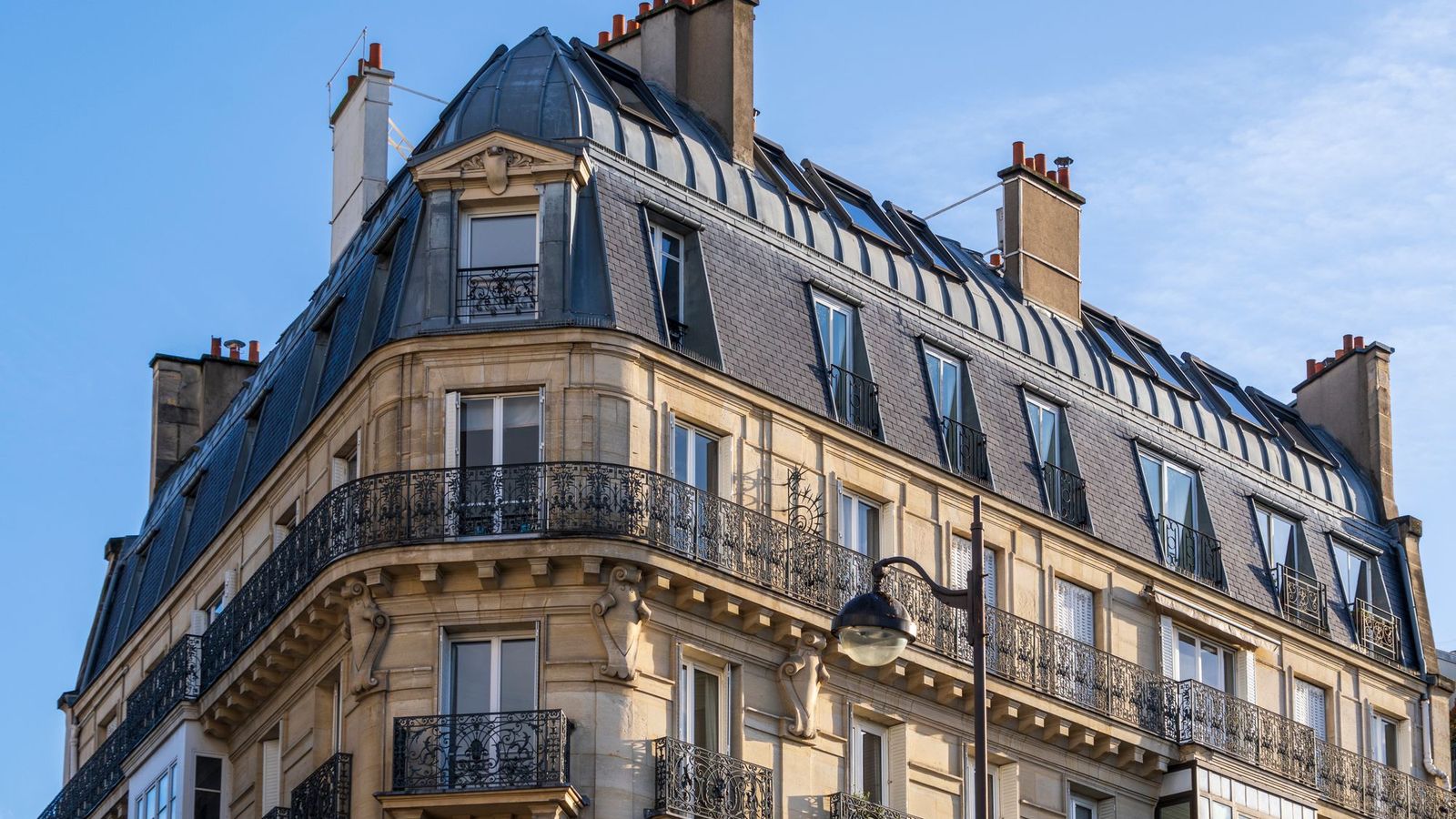
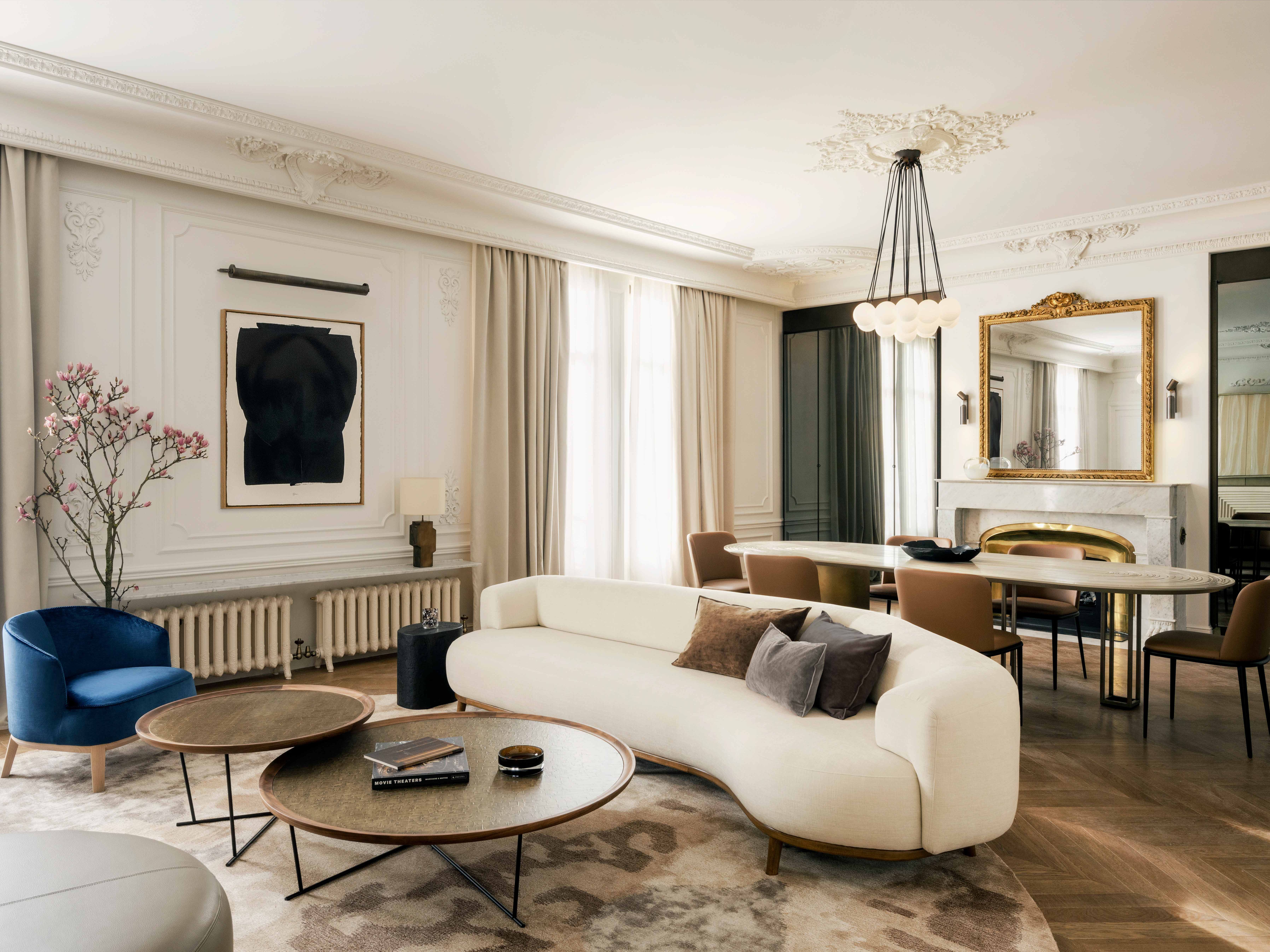
Paris: the safe haven
Paris is the most liquid and transparent of the four markets. The most sought-after arrondissements (6th, 7th, 8th, 16th) hold most of the prime stock, with average prices of around €14,000 to €16,000 per m² in the 6th and 7th according to the portals, and considerably more for rare addresses. Gross yields remain modest, often between 2% and 3.5%, and short-term furnished letting of a main residence is capped at 90 days a year in Paris.
On tax, a non-resident is liable to IFI if their net French real estate exceeds €1.3m on 1 January; acquisition debt is deductible under conditions. The 2026 Finance Act did not retain the proposed tax on "unproductive wealth". Purchase costs on resale homes reach around 7% to 8%, after most départements raised transfer duties in 2025.
Who is it for? Families and investors focused on capital preservation, a pied-à-terre or mixed use. See how our Paris luxury property finder service works.
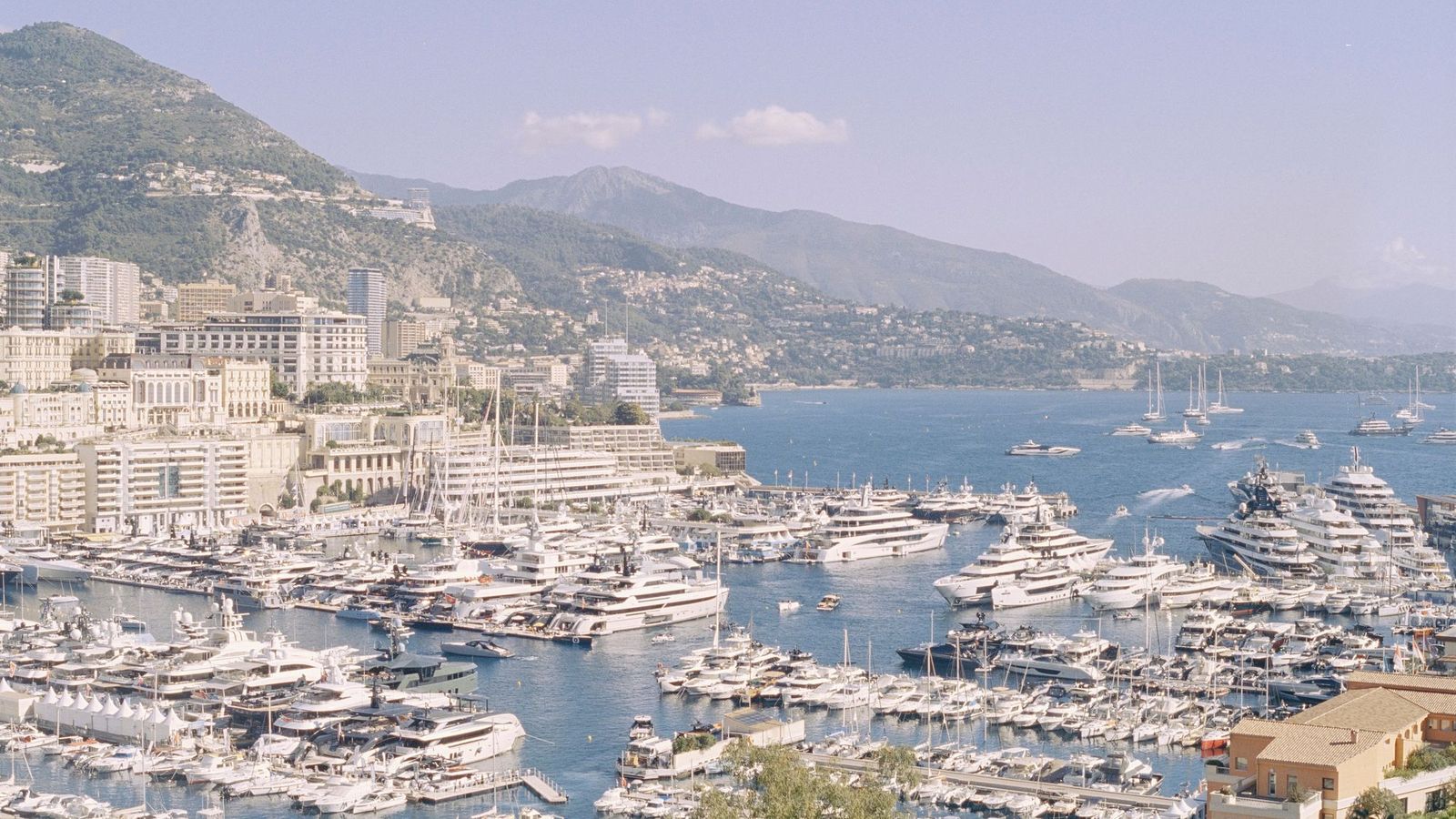
The French Riviera: lifestyle before yield
The Riviera's prime market is highly segmented. According to Barnes' 2026 study, high-end Cannes trades at around €17,000 per m², rising to €35,000 per m² for exceptional homes on the Croisette, in La Californie or Super Cannes. In Saint-Jean-Cap-Ferrat, Engel & Völkers places sea-view apartments from around €15,000 per m², with some waterfront asking prices far higher.
Holiday letting can lift returns, but it is subject to municipal rules and long off-season vacancy. Agency estimates range from about 2% to 4.5% gross depending on the property, with high upkeep costs for villas. Tax follows the French rules (IFI, purchase costs).
Who is it for? Buyers looking first for a holiday home, a way of life and long-term value. Visit our French Riviera buyer's agent page.
Luxembourg: stability close to the institutions
Luxembourg mainly attracts finance professionals, staff of the European institutions and investors seeking a stable jurisdiction. According to the Observatoire de l'Habitat, existing flats in Luxembourg City sold for an average of around €10,300 per m² in 2025, while new builds often exceed €12,000 per m². Global Property Guide puts gross yields in the capital at around 3%.
Purchase duties amount to around 7%, sharply reduced by the Bëllegen Akt (up to €40,000 per person according to guichet.lu) for buyers who move into the property. There is no wealth tax for individuals. Buying does not confer residency: the investor permit explicitly excludes real estate.
Who is it for? Buyers relocating to or working in Luxembourg, and patient investors. Our guide to buying property in Luxembourg as a non-resident covers costs, mortgages and each step, and our Luxembourg property finder page explains our local search.
Greece: residency, yield and growth
Greece combines lower prices than the other markets, higher yields and a residency-by-investment programme. In Athens, asking-price indices place Kolonaki at around €4,000 to €5,000 per m² and Vouliagmeni, the most expensive area of the Athens Riviera, at around €7,500 per m². In the Cyclades, the GEOAXIS observatory recorded median luxury asking prices of around €16,800 per m² in Mykonos and €13,900 per m² in Santorini in August 2026. Global Property Guide puts the average gross yield in Athens at around 5.4%, lower in prime districts.
Purchase costs on resale property amount to around 6% to 9%: a 3.09% transfer tax, plus notary, lawyer and land registry fees. On new builds, 24% VAT is suspended until the end of 2026. New tax residents can, under conditions including an investment of at least €500,000 in Greece, opt for a flat tax of €100,000 a year on their foreign income.
The Greek Golden Visa requires a property investment of €800,000 in Attica, Thessaloniki, Mykonos, Santorini and islands with more than 3,100 inhabitants, and €400,000 in the rest of the country, generally in a single property of at least 120 m². The threshold is €250,000 for converting commercial premises into homes or restoring listed buildings. Ask a Greek lawyer to confirm your own situation before committing. Full details on our Greece golden visa real estate page.
Who is it for? Non-EU investors seeking residency, and buyers targeting yield and growth potential who accept a less liquid market on the islands.
How to choose between the four markets
- Start with the objective: income, personal use, residency or succession.
- Think in total cost: price, purchase costs, annual tax and holding costs.
- Test liquidity: how many buyers will there be for this home in five or ten years?
- Combine if needed: a home in Paris and an income property in Greece meet two different goals.
An independent buyer's agent, working only for the purchaser, helps compare properties across markets using the same criteria. That is the approach Acropolis Real Estate takes as a luxury real estate buyer's agent in Paris, on the Riviera, in Luxembourg and in Greece. To discuss your plans, get in touch with our team.
Frequently asked questions
Which European market offers the highest rental yield in the luxury segment?
Of the four markets, Greece shows the highest gross yields, around 4% to 5.5% in Athens according to Global Property Guide, compared with about 2% to 3.5% in Paris and around 3% in Luxembourg City. These figures are gross, before costs and tax, and no yield is guaranteed.
Does buying property give residency in Europe?
Among these four countries, only Greece links residency to a property purchase, through the Golden Visa (€250,000, €400,000 or €800,000 depending on the area and type of project). In France and Luxembourg, buying property gives no right of residence.
Where are purchase costs lowest?
In Greece the transfer tax is 3.09%, but notary, lawyer and land registry fees bring the total to around 6% to 9%. In France, costs on resale homes reach around 7% to 8%, and Luxembourg duties are around 7%, reduced for a main home through the Bëllegen Akt.
Do non-residents pay wealth tax on French property?
Yes, if their net French real estate exceeds €1.3m on 1 January. Only French assets count, and some debts are deductible. Take tax advice before buying.
Should I choose Paris or the French Riviera?
Paris suits capital preservation and liquidity; the Riviera suits a holiday home and a way of life. Both fall under the same French tax rules.
Go further: Luxury property investment in Europe