
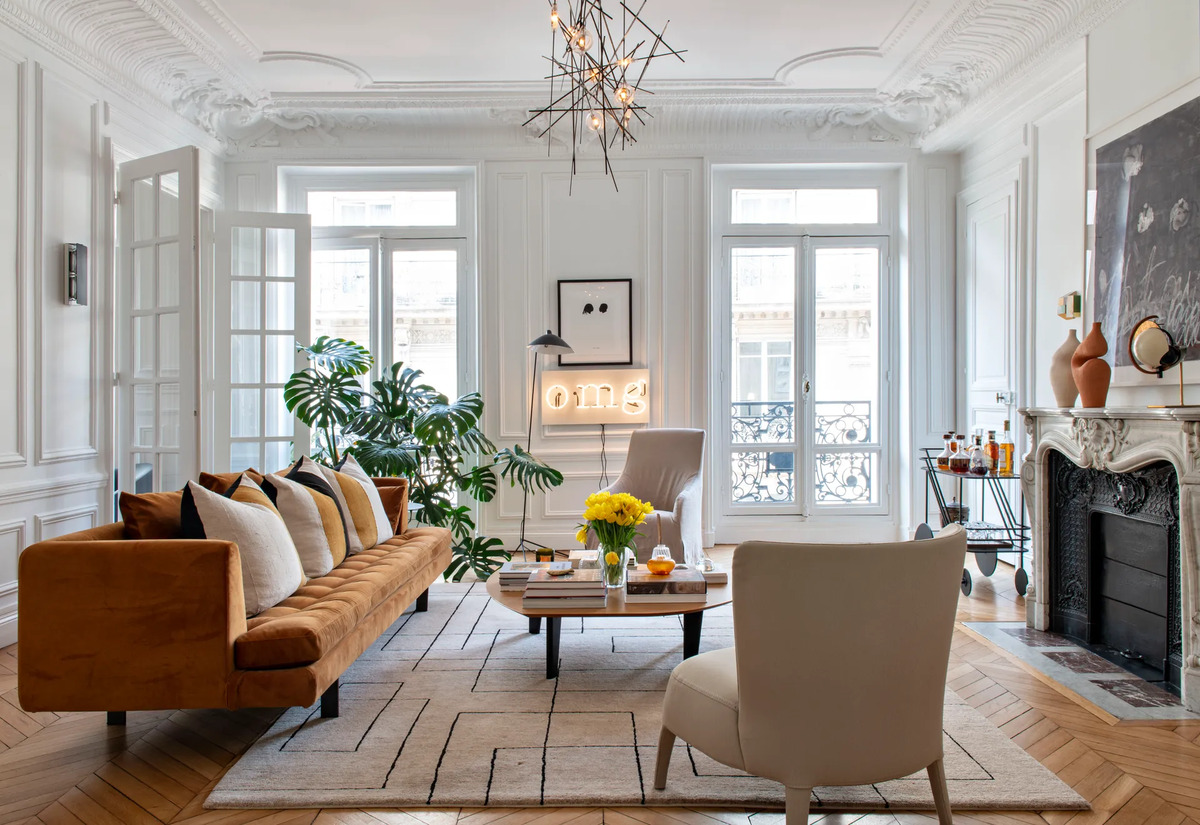
Luxury property investment in Europe: residences and offices
Curating prestigious living spaces and strategic corporate environments across Europe's most coveted and secure locations.
An Uncompromising Standard of Curation
Whether you are seeking a family home, an ultra-private penthouse, or a strategic corporate headquarters, our network of local experts provides seamless access to the finest properties best suited to your budget. We work exclusively on a buyer's agent model: we champion your interests by prioritising quality and conducting in-depth market analysis to secure the ideal property at the optimal price.
Where We Operate
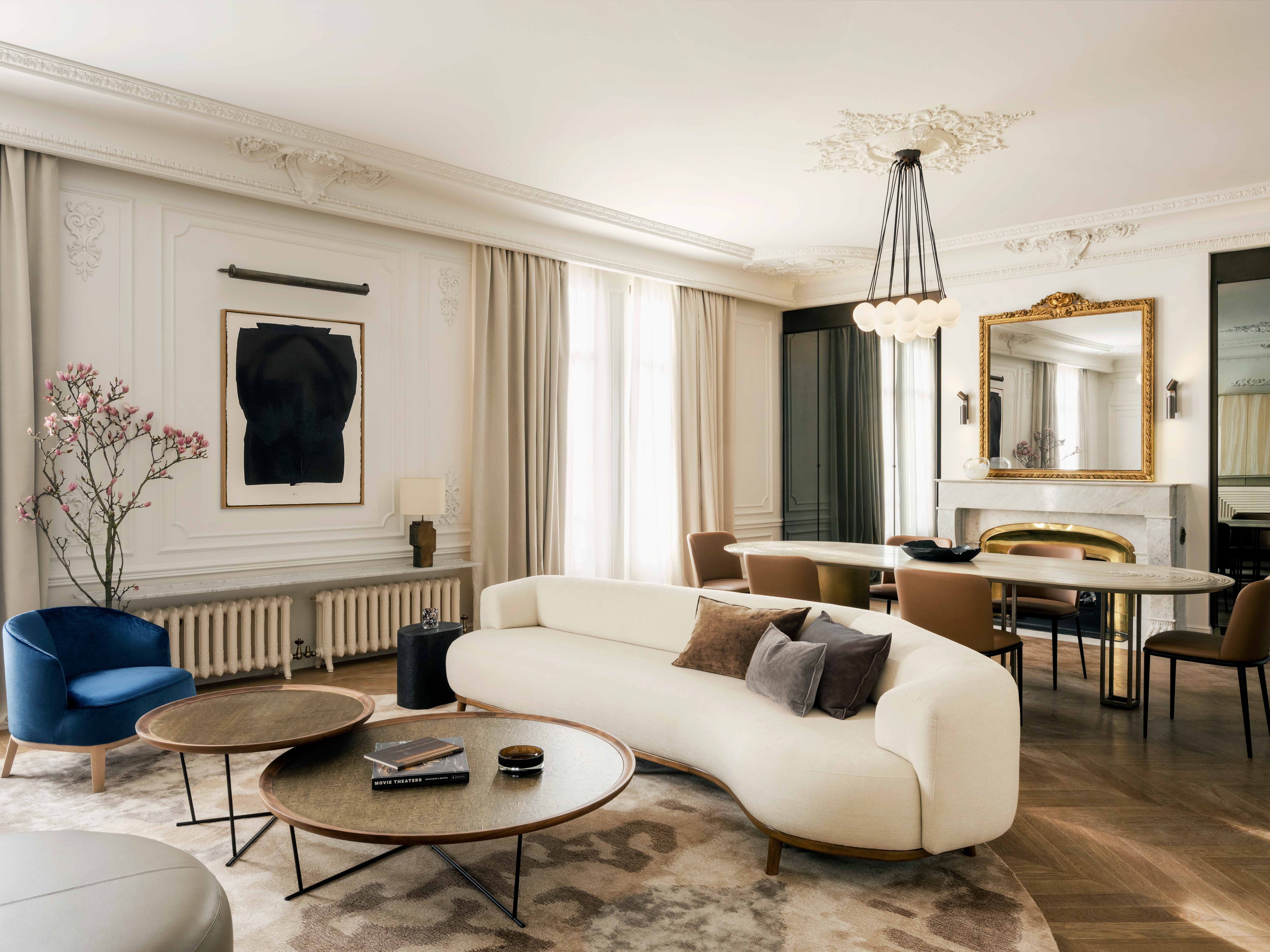
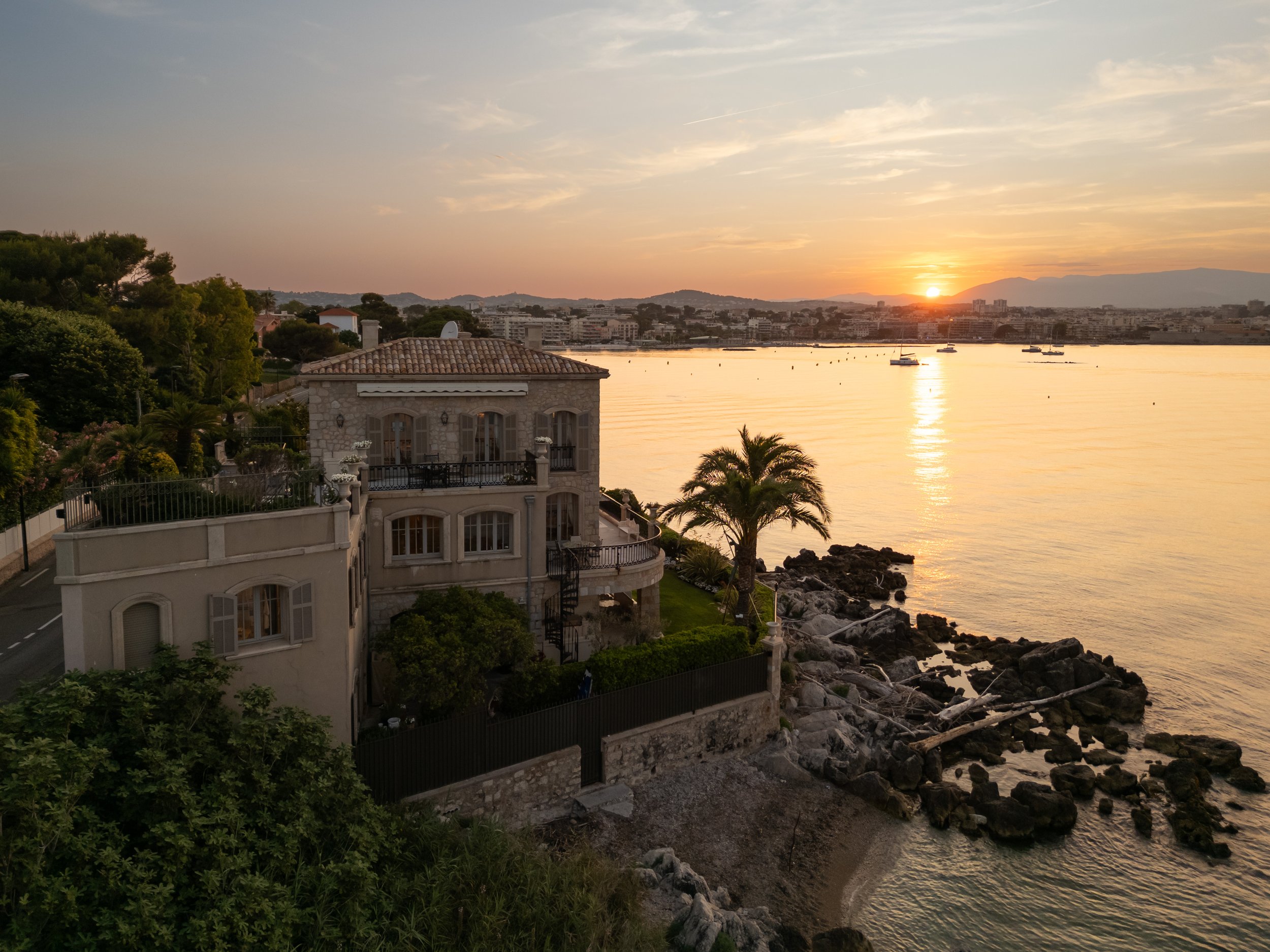

Luxury property investment in Europe is about more than choosing a beautiful address: you have to weigh markets with very different prices, acquisition costs and liquidity, and then buy the right property at the right price. Acropolis Real Estate advises international buyers, families and private investors alike, on the acquisition of exceptional residences and prime offices, acting solely on their behalf.
Set the strategy before searching
The first question is not "where?" but "what for?". A main home, a pied-à-terre used a few weeks a year, a family house to be passed on, or a let office building all call for different criteria. Every engagement therefore begins with a written brief:
- Use: personal occupation, holiday lets, long-term letting, company headquarters.
- Horizon: intended holding period and exit scenario.
- Total budget: price, acquisition costs, works, furnishing and annual holding costs.
- Ownership structure: in your own name, through a property company or a foreign vehicle; this is a matter for your notary and tax adviser, whom we involve from the outset.
This brief avoids the costliest mistake of all: buying an attractive property that does not serve your wealth objectives.
Comparing Europe's prime property markets
The table below gives orders of magnitude for the markets we cover. These are averages: in the prime segment, prices per square metre are often considerably higher.
| Market | Price benchmark | Acquisition costs (approx.) | Profile |
|---|---|---|---|
| Paris | Around €9,600 per sq m on average for an older apartment in early 2026 (Notaires du Grand Paris, INSEE) | Around 7–8% for older property | Deep, liquid market with strong international demand |
| French Riviera | Varies widely by town and sea view | Around 7–8% for older property | Villas and family estates, marked seasonality |
| Luxembourg | Around €7,700 per sq m for an existing apartment nationally in 2025, above €10,000 in Luxembourg City (Observatoire de l'Habitat) | 7% (registration and transcription duties), possible municipal surcharge in Luxembourg City | Scarce supply, demand driven by skilled employment |
| Greece | Varies widely between Athens and the Cyclades | Transfer tax of around 3% on resale property, plus notary and lawyer fees | Second homes, holiday lets, route to residency |
Exact costs are always calculated by the notary according to the type of property and the buyer's situation. Our article on where to invest in luxury real estate in Europe in 2026 takes this comparison further.
Exceptional residences: what we check
Beyond location, a prime property is judged on details a listing never shows. For every shortlisted residence we examine:
- whether the price is consistent with recent comparable sales in the street or building;
- the condition of the building, surveys, and works approved or expected in the co-ownership;
- planning rules, easements and, on the coast, hazard zones;
- light, noise, the immediate surroundings and the quality of the common parts;
- potential for added value and ease of resale.
In Paris, this analysis builds on our work as a Paris luxury property finder. On the Mediterranean coast, our French Riviera buyer's agent service knows the specifics of each micro-market.
Prime offices: a different discipline
Buying offices, whether to house your own company or to let, follows an investor's logic. We analyse the tenancy schedule (current leases, remaining fixed terms, tenant covenant strength), non-recoverable charges, technical and environmental compliance, and the depth of occupier demand in the area. In France, the commercial lease and its rent review rules deserve a careful reading; in Luxembourg, proximity to Kirchberg, Cloche d'Or or the station weighs heavily on demand.
For a business owner setting up a head office, we also factor in accessibility, the standing of the address and room to expand. In the Grand Duchy, we act as a Luxembourg property finder for residents and non-residents alike.
The role of the off-market segment
At the top end, part of the market changes hands without advertising, because owners want discretion or wish to test a price quietly. Reaching those properties takes a network of agencies, notaries and wealth managers, and the ability to present a credible buyer. We explain this approach on our page about off-market property in Paris.
A typical engagement
By way of illustration, this is how a typical residential investment engagement unfolds:
- Week 1: briefing, signature of the search agreement, discussion with your advisers.
- Weeks 2 to 6: search, screening viewings, comparison files.
- Viewing trip: you visit the shortlisted properties over one or two days.
- Offer and negotiation: price, conditions precedent, timetable.
- Preliminary contract and completion: coordination with the notary, bank and translators where needed.
This timetable is indicative only: it depends on the market and the rarity of what you are looking for. Our fees start from 2% of the purchase price (VAT included), with a minimum flat fee on quotation.
To discuss your project, request a private consultation or return to our overview as a luxury real estate buyer's agent in Europe.
Frequently asked questions
What budget should I plan for a luxury property investment in Europe?
On top of the price, allow for acquisition costs (around 7–8% for older property in France, 7% in Luxembourg before any municipal surcharge, a transfer tax of around 3% on resale property in Greece), works, furnishing and annual charges. Your notary will calculate the exact amount.
Is it better to buy a residence or offices?
It depends on the objective. A residence primarily serves personal use and succession planning; let offices aim at income and require an investor's analysis (leases, tenants, charges). We can handle both and help you decide.
Can non-residents buy freely in France or Luxembourg?
As a rule, yes: neither France nor Luxembourg prohibits property purchases by non-residents. Banks will, however, ask for extensive evidence of the source of funds, and financing can be more demanding.
Should I buy directly or through a company?
That depends on your country of tax residence, your family situation and how the property will be used. It is a question for a notary and a tax adviser; we bring them into the project at the briefing stage.
Are rental returns guaranteed?
No. No return is guaranteed. We present prudent assumptions based on observed rents, voids and charges, and we flag the points that need attention.
How much does your service cost?
Our fees start from 2% of the purchase price (VAT included), with a minimum flat fee quoted according to the complexity of the search. They are set out in the search agreement signed before any work begins.
Do you also advise on hotels?
Yes, but that is a separate process involving an operating analysis. See our page on boutique hotels for sale in Greece and elsewhere in Europe.